
The Internet Accidentally Broke Conversation
February 23, 2026
Something changed in how people talk to each other.
It didn’t happen all at once, and no one really announced it. There was no moment where we all agreed conversation was over. In fact, we communicate more than ever. Messages, comments, posts, videos, reactions. We are constantly in contact.
And yet many people privately report the same feeling:
They have fewer real conversations than they used to.
Over the years I’ve met people in every kind of setting — classrooms, clinics, conventions, and increasingly online spaces. The questions I hear today are different from the ones I heard twenty or thirty years ago. Not more explicit. Not more shocking.
More hesitant.
People pause longer before speaking. They pre-apologize. They carefully explain they are not trying to be offensive before they even ask a basic question about attraction, dating, bodies, or relationships. Often the question itself is simple. The fear around asking it is not.
We live in a time of extraordinary visibility. We can see into each other’s lives constantly. But visibility is not the same as interaction.
Social platforms quietly trained us to perform instead of participate. A post is crafted. A message is edited. A photo is selected. A reply is reconsidered. Every interaction carries the small awareness of being watched, judged, or preserved. Over time, people become careful.
Carefulness reduces spontaneity.
And spontaneity is what conversation depends on.
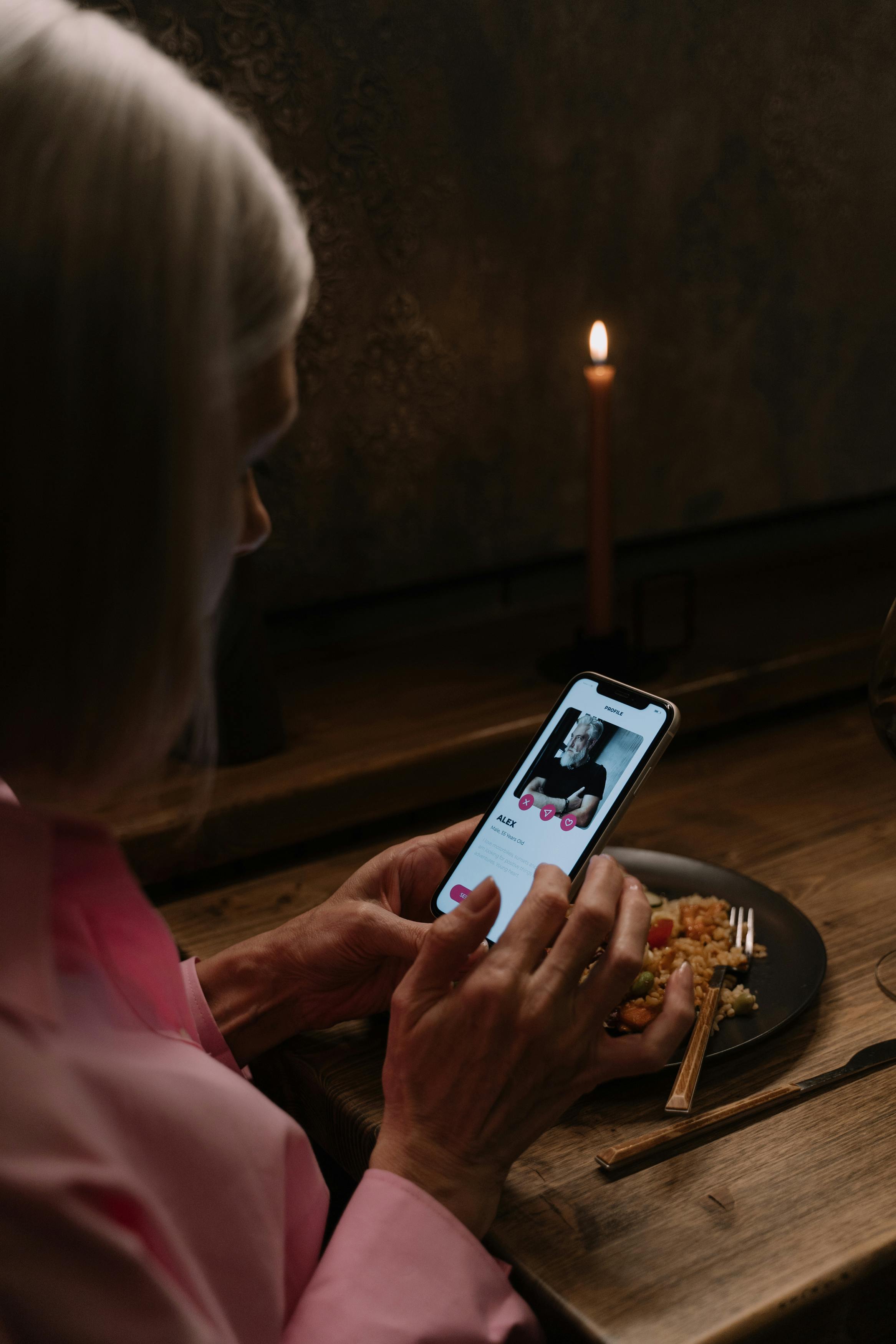
In many modern spaces, especially around sexuality and relationships, people no longer know the safe place to ask a question. Friends can feel too close. Public spaces feel too exposed. Comment sections move too fast. Dating apps are structured around evaluation rather than curiosity.
So people read instead of asking.
They watch instead of speaking.
They guess instead of learning.
This has an interesting side effect. Many individuals feel as though they know public figures intimately, because they have spent years seeing them on screens. But they have never actually interacted with them. The relationship becomes one-directional. Familiarity exists without participation.
Psychologists sometimes call this a parasocial relationship. It isn’t unhealthy by itself. Humans naturally form attachments to voices and faces they encounter repeatedly. The difficulty appears when it replaces ordinary interaction instead of supplementing it.
I notice this most clearly when someone finally speaks directly to me. Very often their first sentence is relief.
Not excitement. Relief.
Relief that they are not foolish for asking.
Relief that they are not being laughed at.
Relief that the person they recognized from a screen responds like a normal human being.
A surprising number of adults, particularly men, tell me they are unsure where they are allowed to talk anymore without being seen as intrusive or inappropriate. They don’t want to offend. They don’t want to embarrass someone. So they err on the side of silence.
Silence protects from mistakes, but it also prevents connection.
The result is a peculiar modern loneliness. People are surrounded by communication yet starved for dialogue. They can access endless images and opinions, but very few spaces where curiosity is welcomed without performance.
This is the problem the Lounge is meant to solve.
It is not a debate space and it is not a spectacle. It is a room with a schedule where a conversation happens in real time. You can listen first. You can ask something small. You can discover that other people wondered the same thing you did.
No one is required to impress anyone else.
No one is graded on cleverness.
No one needs a perfect opening line.
The goal is not to win attention.
The goal is to remember how talking works.
The internet did not intentionally remove conversation. It simply optimized for visibility, speed, and reaction. Those are useful tools, but they do not replace sitting in a room, hearing a voice respond to you, and realizing you are understood.
That experience still matters.
And sometimes, it only takes one ordinary conversation to remind a person they are not as alone as they thought.
You are welcome to join one.